
San Luis Obispo · Sauna Builder Services
Cold Plunge Install
Cold plunge tubs installed with the chiller sized to your climate and use, plus the pad, drainage, filtration and dedicated circuit to run it reliably.
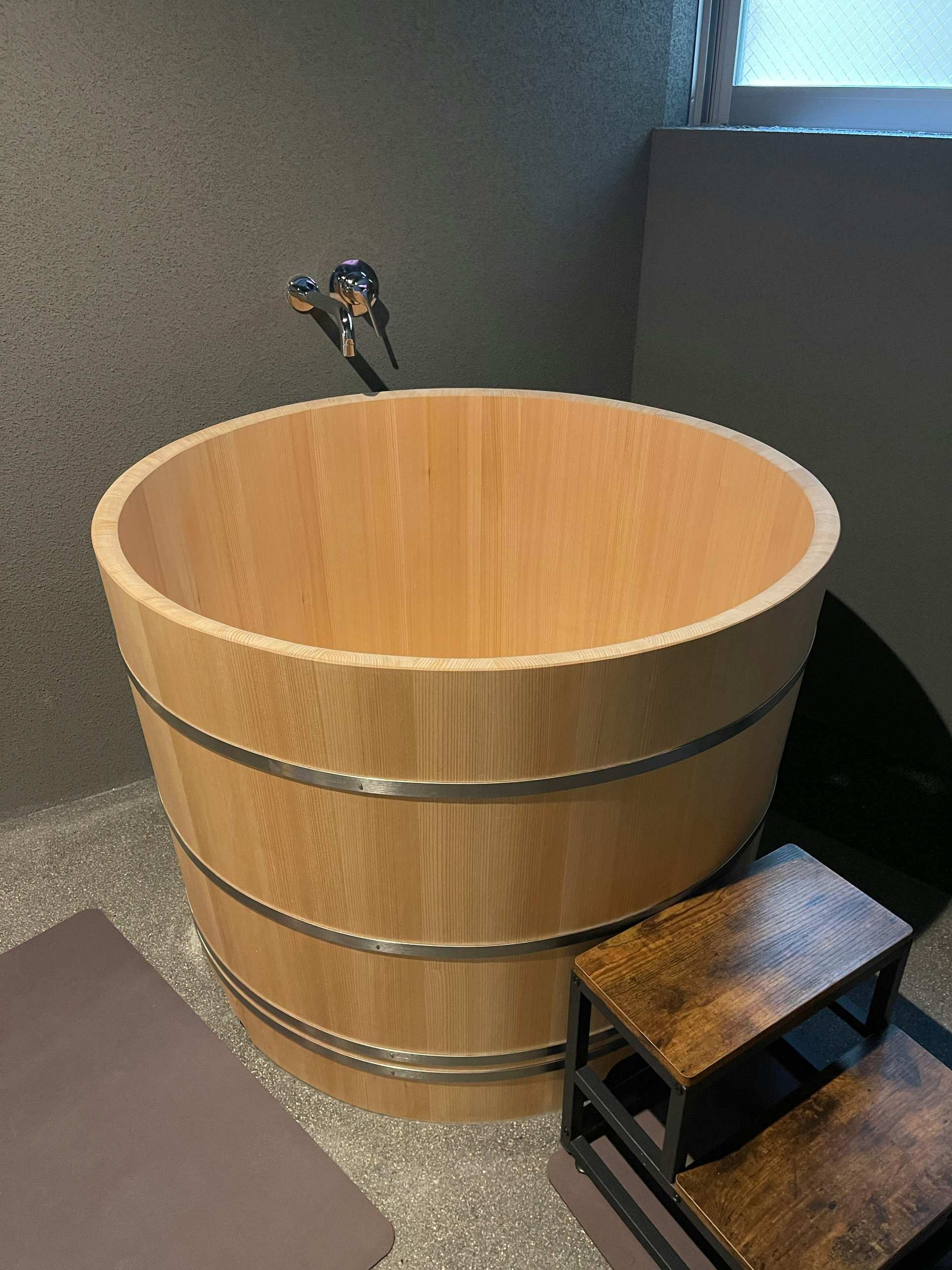
Cold Plunge Install · San Luis Obispo
Cold Plunges That Hold Temperature
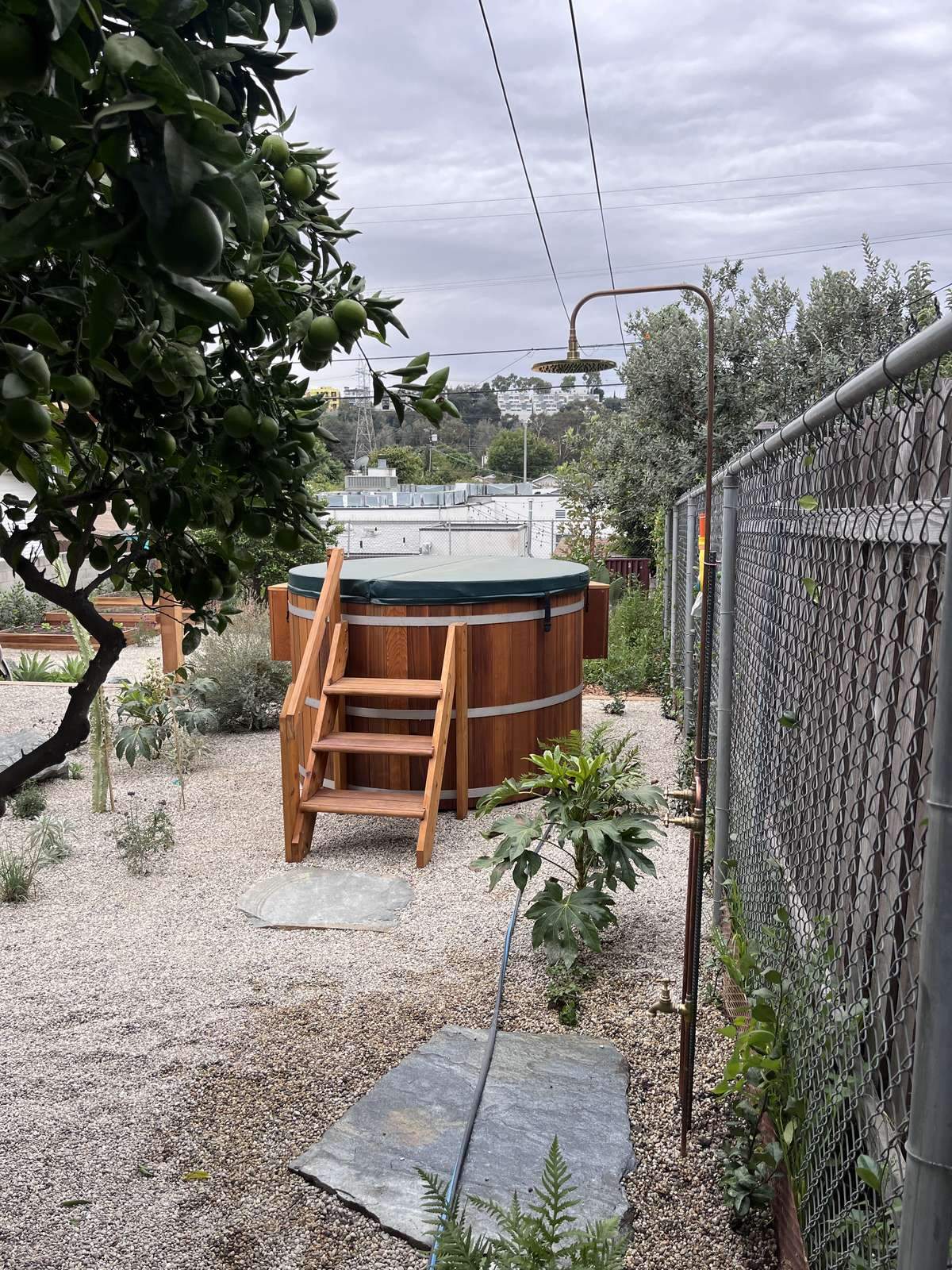
A cold plunge is simple to buy and easy to install badly. The tub is the visible part; the chiller, the circulation, the filtration and the power are what decide whether it sits at 45 degrees in August or drifts to 60 and stays there. We install cedar, stainless and composite plunges, size the chiller against your target temperature, your tub volume and how much sun the spot gets, and build the base, drainage and dedicated circuit to go with it. Most go in beside a traditional sauna, because the contrast is the whole point, and planning both together saves a second round of trenching and drainage.
Why Chiller Sizing Is the Whole Job
Chillers are rated in ideal conditions. Put an undersized unit on a tub in full afternoon sun in Paso Robles and it will run constantly and still lose the fight in July. We size for your actual location, shade and use pattern, and we insulate the tub and the lines so the unit is not fighting the ambient temperature all day. That sizing discipline is the same one behind every San Luis Obispo sauna builder job we quote.
- Chiller sized for tub volume, target temperature, sun and season.
- Insulated tubs and lines so the unit cycles instead of running flat out.
- Filtration and ozone or UV so the water stays clean between changes.
- Dedicated circuit installed under permit.
- Base and drainage built for a full tub and regular changes.
Reasons to Add a Cold Plunge
A plunge earns its place when:
You already have or are building a sauna
The hot-cold circuit is what turns a sauna from a warm room into a routine. Running the plunge alongside a sauna installation or a cedar tub install halves the site work.
You train and want the recovery
Cyclists on the Seven Sisters, surfers at Pismo, runners, riders: consistent cold access after training is the reason most of our plunges get installed.
The ocean is not cold enough or close enough
Central Coast water is bracing but variable, and it is a drive. A plunge at 45 degrees at home is available at six in the morning in your own yard.
You want it to work in August
Anyone can have cold water in January. Holding temperature through an inland summer is a chiller sizing problem, and it is the one people get wrong.
A stock tank has stopped cutting it
Plenty of clients start with an ice-filled trough and get tired of the ice. Converting to a proper chilled setup is a common upgrade.
Tell us where it would sit and how cold you want it and we will size the chiller honestly. Call: 805-855-0863
How We Work
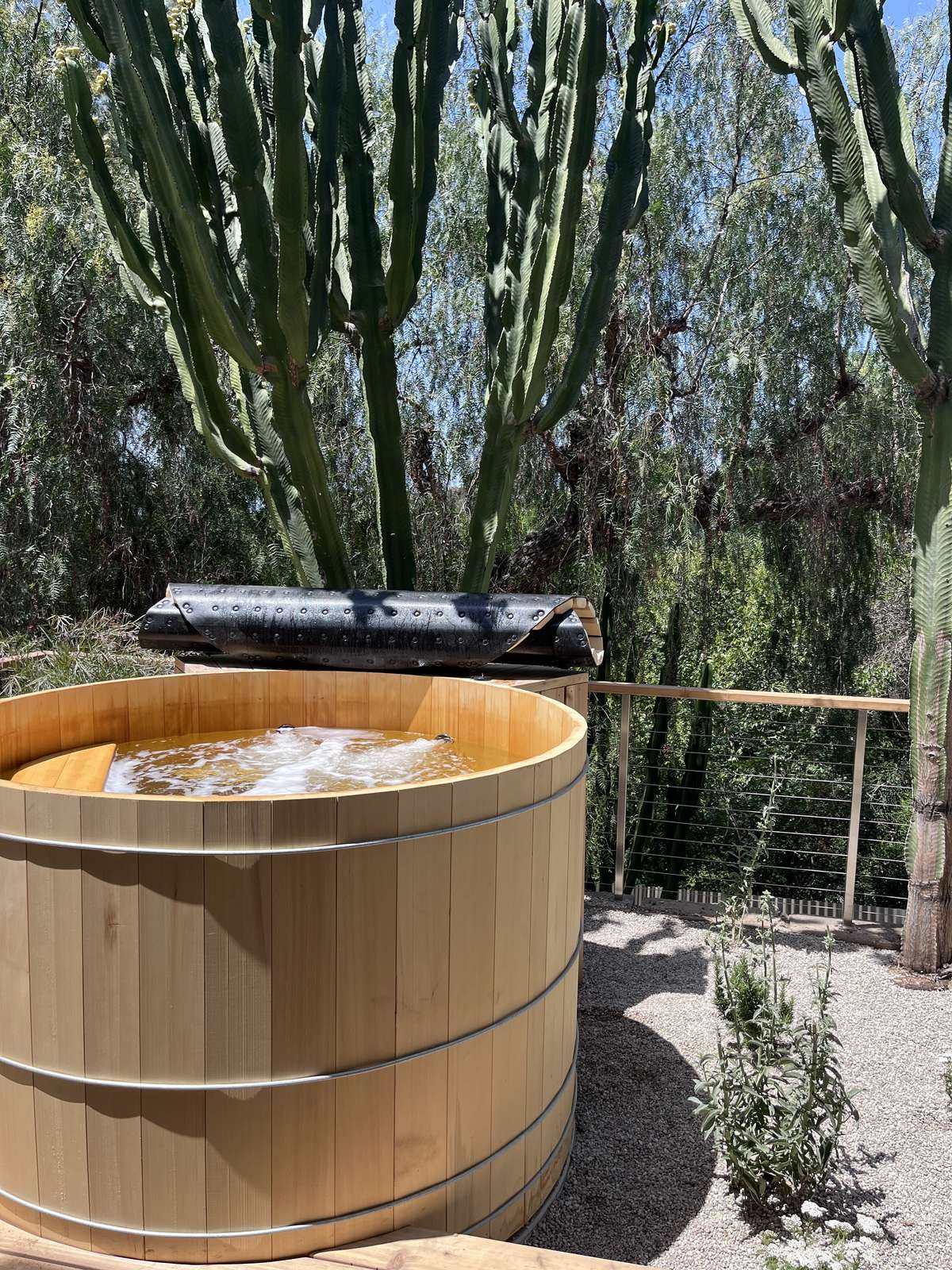
From the first drawing to the first steam, one builder runs your project.
1. Sizing and siting
Tub volume, target temperature, sun exposure and how often you plan to use it drive the chiller selection. We also look at where the unit can sit so it can breathe and stay quiet enough to live with.
2. Base, plumbing and power
Pad or deck support, drainage for changes, insulated circulation lines, filtration, and a dedicated circuit run and inspected under permit.
3. Commissioning and water care
We pull the tub down to temperature, confirm it holds through a full day, and set up the filtration and sanitising routine so the water stays clear between changes.
Cold Plunge Choices
What to decide before ordering anything:
Tub material
Cedar for looks and insulation, stainless for durability and easy cleaning, composite or acrylic for price. Each behaves differently against a chiller.
Chiller capacity
Rated in horsepower against volume and ambient temperature. Undersizing is the most common mistake and it shows up in July, not the week it is installed.
Filtration and sanitising
A pump, a filter and ozone or UV keep the water usable for weeks. Without them you are draining and refilling far more often than you want to.
Insulation and cover
An insulated tub, insulated lines and a fitted cover cut the chiller run time dramatically, which is both a power bill and an equipment life question.
Placement
Shade helps enormously. So does keeping the walk from the sauna short, because the value of a plunge is inversely proportional to how far you have to think about it.
What Affects the Cost of Cold Plunge Install
Plunge pricing splits between the tub, the equipment and the site work:
- Tub choice. Cedar, stainless and composite tubs sit at very different price points.
- Chiller size. Capacity and quality, plus whether it needs to hold temperature through an inland summer.
- Filtration package. Pump, filter and ozone or UV sanitising.
- Base and drainage. Pad or deck support and somewhere sensible for the water to go on changes.
- Electrical. A dedicated circuit, trenched if the plunge sits away from the house.
Quoted with the sauna where you are doing both, since the trenching, drainage and deck work overlap.
Frequently Asked Questions
What should I look for when purchasing a backyard cold plunge?
Start with the chiller rather than the tub. Check the capacity against your tub volume and against a real summer afternoon in your yard, not a lab rating, and ask what temperature it holds at 90 degrees ambient. Then look for an insulated tub, insulated lines and a fitted cover, because those decide how hard the chiller has to work. A filtration package with ozone or UV saves you draining it every fortnight. Finally, plan the drainage and the dedicated circuit before it arrives, since those are the two things that turn a delivery into a project.
How cold does a plunge actually get?
Most setups are specified for somewhere between 39 and 50 degrees. Getting there in winter is easy; holding it through July, particularly inland around Paso Robles and Atascadero, is what separates an adequate chiller from an undersized one. We size for your hottest month rather than your average.
Can I put a cold plunge next to my sauna?
That is the point, and it is how most of ours are installed. Doing both together means one trench, one drainage plan and one deck. The shorter the walk between them, the more often you will actually use both.
How much electricity does a cold plunge use?
Less than people assume when the tub is insulated and covered, and considerably more when it is not. A well-insulated setup lets the chiller cycle rather than run continuously. Sun exposure is the other big factor, which is why placement is part of the design conversation.
How often do I need to change the water?
With filtration and ozone or UV, typically every few weeks depending on use. Without them, far more often. Cold water is kinder than hot water on this front, but it still needs circulation and sanitising to stay clear.
Planning a sauna on the Central Coast?
Tell us about the space and what you have in mind and we will come back with a drawn concept and a flat-rate quote. Free estimate, no obligation.
Or call us now: 805-855-0863